
আরও দেখুন


 16.10.2026 04:35 AM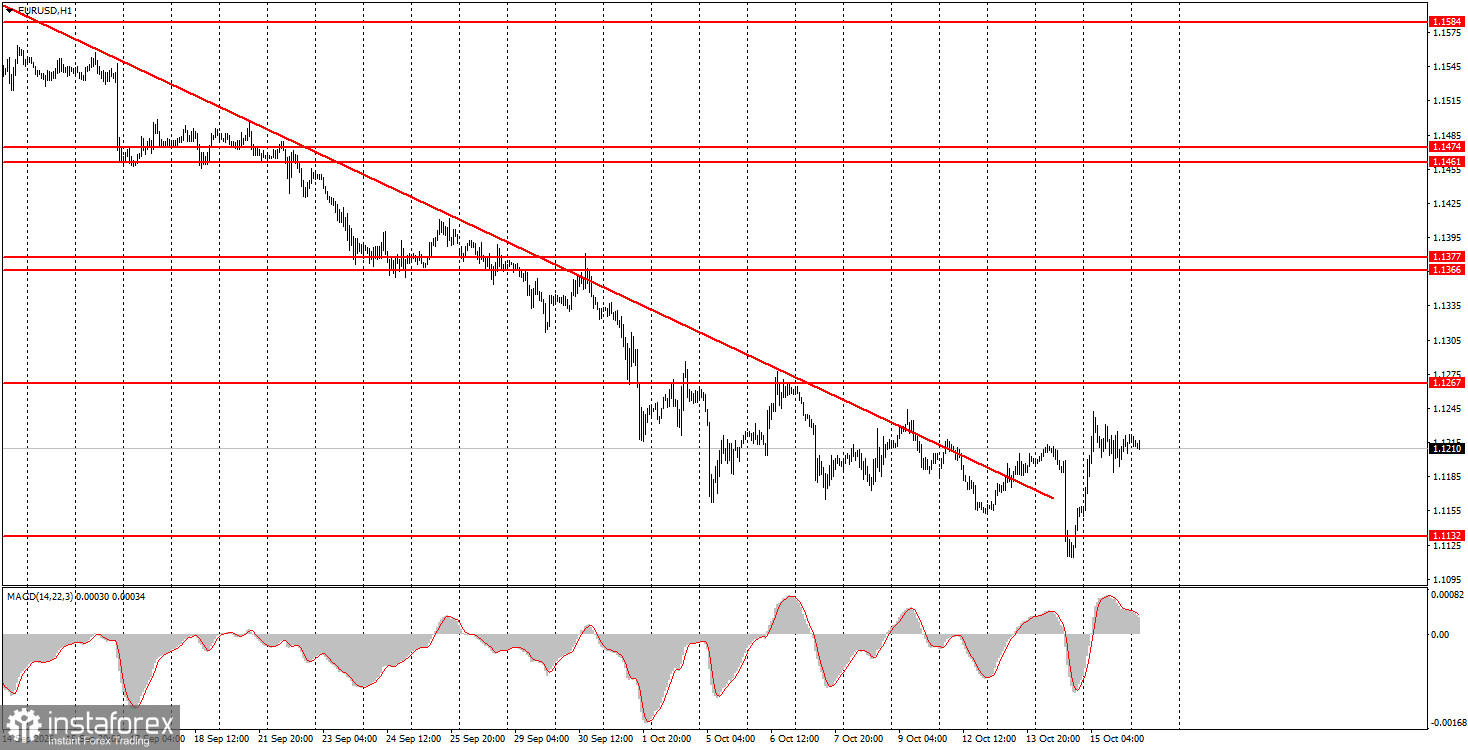
Only a few macroeconomic releases are scheduled for Friday, and none are particularly important. In the Eurozone, the second estimate of September CPI will be published today and is unlikely to differ from the preliminary reading. Consumer inflation has already risen to 3.8%, which should draw further attention from the European Central Bank — yet the market is not pricing it in, and demand for the US dollar remains high. The US industrial-production report is due today, but it is unlikely to be market-moving. Yesterday the market ignored at least five similarly important releases.
The main event today is Federal Reserve Chair Kevin Warsh's speech. Nearly all his recent remarks have tended to raise hawkish expectations about monetary policy or have lifted the dollar; so this morning the dollar could rally again if Warsh signals the Fed is willing to raise rates more than twice. Bank of England governor Andrew Bailey will also speak today and could take a hawkish tone. However, the market currently gives little weight to hawkish signals from the ECB or the BoE, so focus should be on the Fed chair's comments.
The geopolitical backdrop remains poor. The US and Iran are not holding official talks at present, though Donald Trump continues to insist that a deal could be signed after the US Congressional elections. Trump also repeatedly claims the Russia–Ukraine conflict could end very soon — a claim he has been making for almost two years — and markets have little faith in such optimism. Over the weekend, Trump again shifted his rhetoric on Iran, saying military pressure could resume after the Congressional elections, and he announced an "energy truce" between Kyiv and Moscow that neither capital has confirmed.
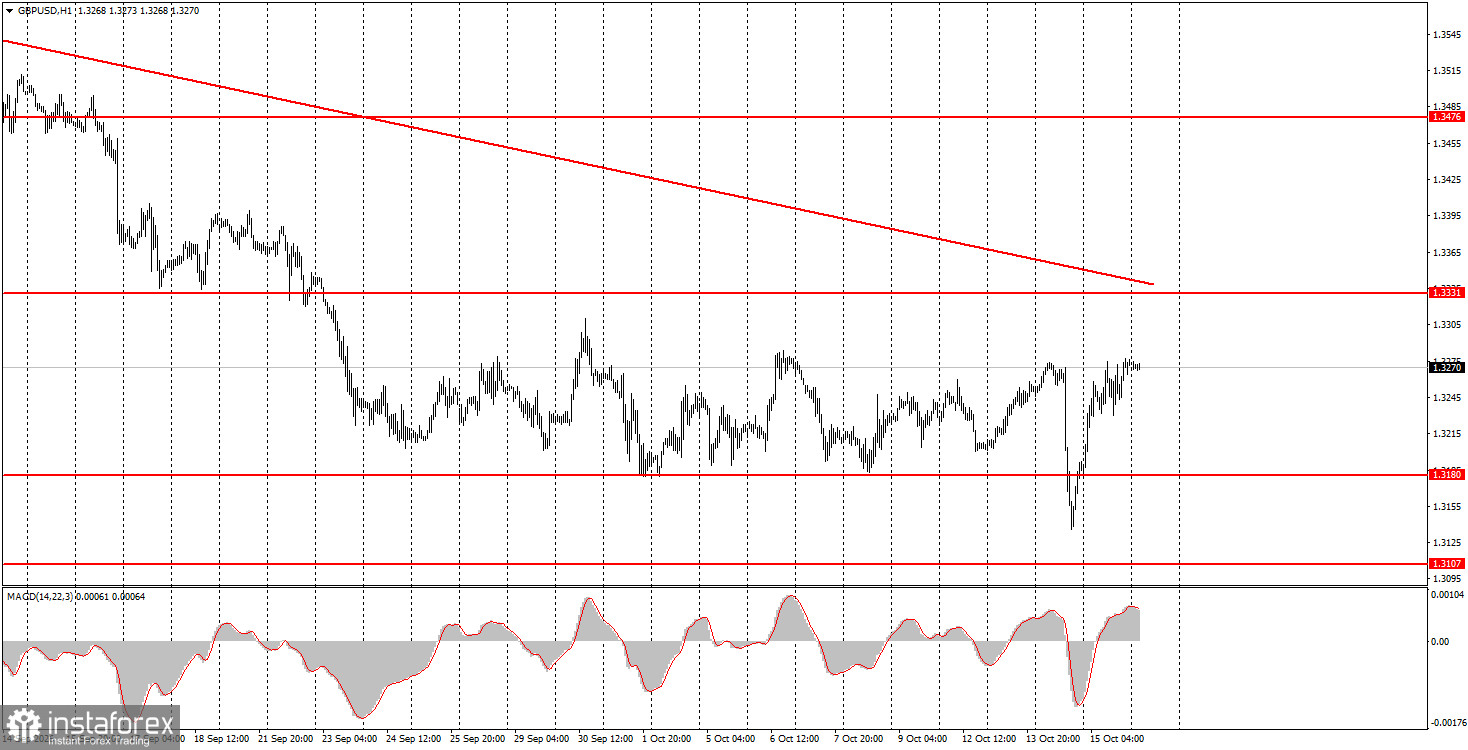
On the last trading day of the week, currency pairs may continue to correct, as bears may finally be becoming satiated. Trade the euro today from the 1.1198–1.1218 area and the pound from the 1.3259–1.3267 area.
Price levels (areas) of support and resistance serve as targets for opening buy or sell trades or as sources of signals.
Red lines indicate channels or trend lines that show the current trend and the preferred trading direction.
The MACD indicator (14,22,3) — the histogram and signal line — is an auxiliary indicator that can also provide signals.
Important speeches and reports (listed in the news calendar) can significantly influence currency pair movements. Therefore, during their release, traders should approach trading with utmost caution, or exit the market to avoid sudden reversals against the preceding move.
Beginner forex traders should remember that not every trade can be profitable. Developing a clear strategy and practicing money management are key to long-term success in trading.


