
See also


 02.09.2026 07:45 AM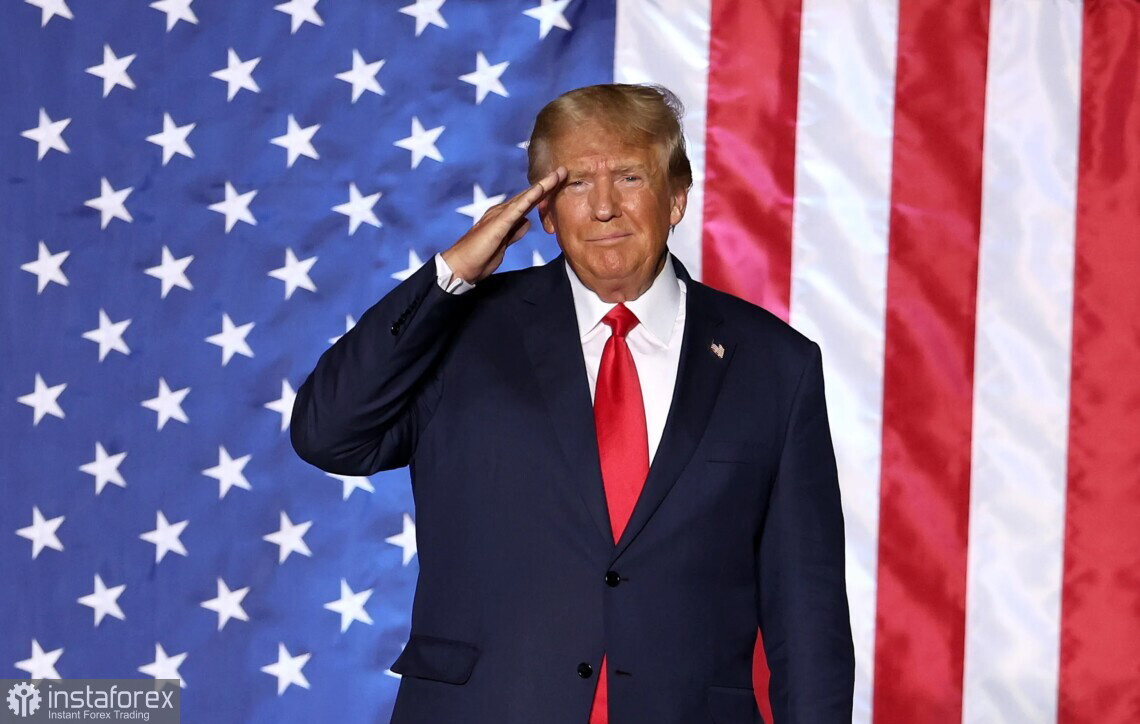
The situation in the Middle East is once again moving toward a critical point. Over the weekend, the US and Iran exchanged strikes, and many market participants barely reacted. Washington and Tehran had regularly exchanged blows even in periods when some form of indirect negotiations was still under way or when ceasefire agreements had already been signed. As a result, another round of mutual strikes did not unsettle anyone.
This week, however, the rhetoric from both sides has again turned openly confrontational. First, Donald Trump said Iran would be destroyed if it responded to the latest US attacks. Does Trump seriously believe that Iran has no right to respond to US strikes? I have heard that formulation more than once. For example, when Trump imposed 50% tariffs on Canada and Mark Carney immediately announced mirror retaliation, Trump also took offense and began preparing a new package in response to Canada's response. In other words, the US president appears convinced that only the US has the right to determine the world order and that all other states must obey.
Iran, meanwhile, continues to argue the opposite. Whatever the rest of the world may think of Iran and its policies, now there is more trust in Tehran than in Washington. Incidentally, has anyone seen any real signs of an economic blockade of Iran? A week ago, the US president told the world that sanctions would be imposed on any country continuing to do business with Iran, "starting immediately." It appears the American leader has already forgotten his own plans. Or perhaps he has recognized their futility. At the very least, China was not frightened by the threats. Nor were Turkey and Iraq.
After 6 or 7 months of constant threats against Iran, another question naturally arises: if Trump is prepared to destroy Iran, why has he not already done so? Is there a shortage of missiles? Or is this simply a tactic of constant verbal pressure? If it is the latter, then in my view almost no one in the world takes Trump's threats seriously anymore. Tehran has already made an official statement that retaliatory strikes will be carried out soon and that America will regret its latest attacks. As a result, little can be expected in the near term except further escalation. Brent prices are again approaching $100 per barrel, and geopolitics may once again become a friend to the dollar.
Pay attention to my other articles:
EUR/USD analysis, September 2. Market once again desperately bets on further Fed tightening
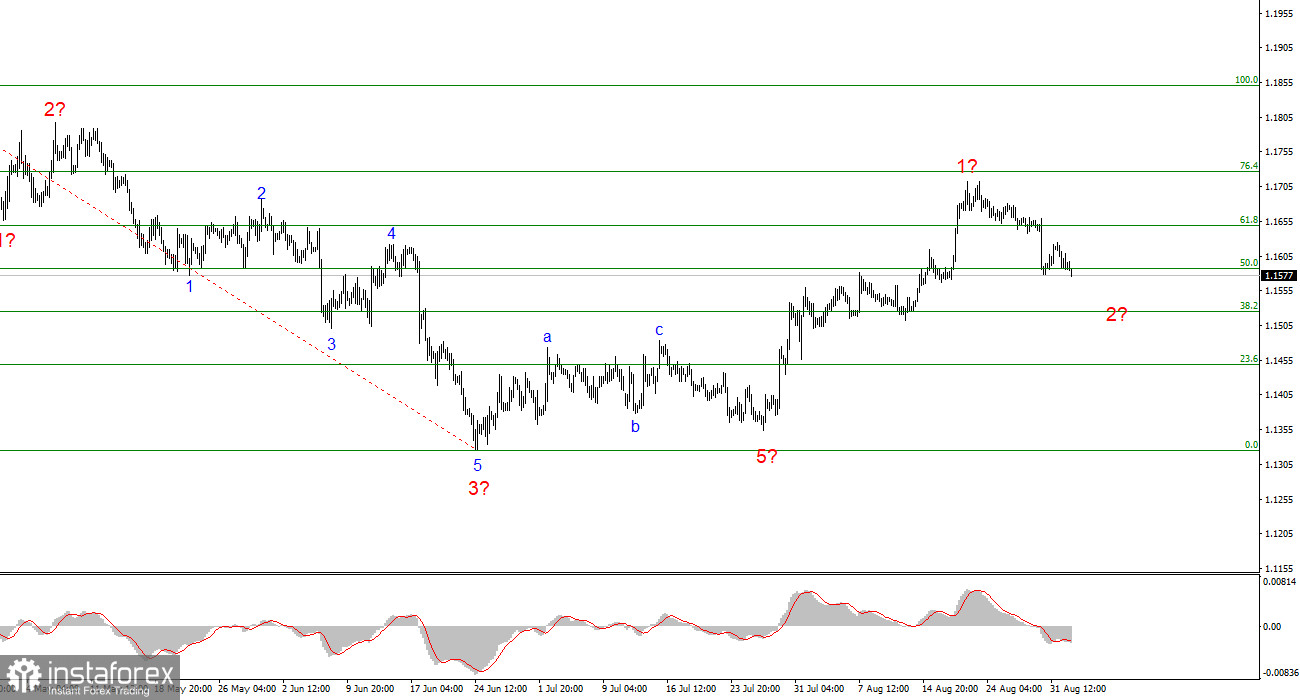
Wave analysis of EUR/USD:
Based on my EUR/USD analysis, I conclude that the instrument remains within an upward trend segment (lower chart), while in the shorter term it has shifted into a new ascending wave sequence. In my view, this is an excellent time to build long positions. Unless the downward trend segment that began on January 28 takes on a more extended five-wave form—which would require a strong news backdrop in favor of the dollar—EUR/USD is at the very beginning of a new, prolonged upward trend segment, with targets extending as far as the 1.25 area.
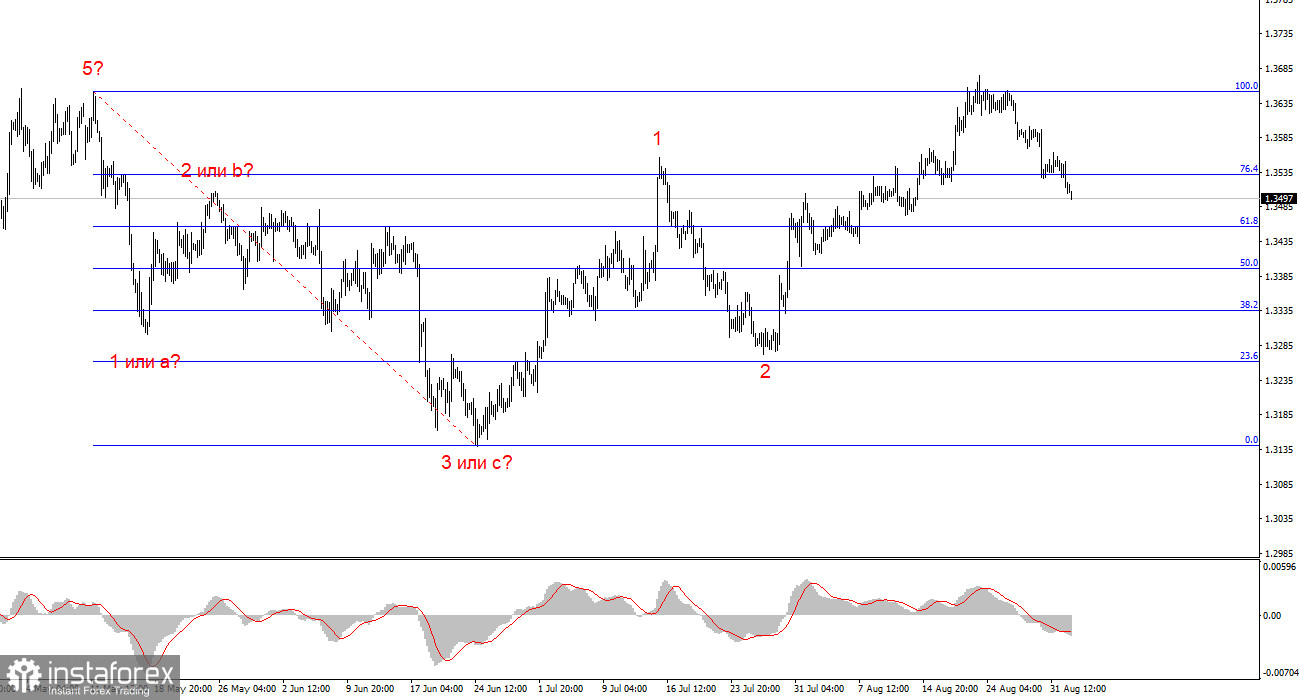
Wave analysis of GBP/USD:
The wave structure of GBP/USD has taken on a completely clear form. We now see on the charts a distinct A-B-C corrective structure, and it has been completed. I therefore expect the construction of an upward wave sequence that is taking on an impulsive form and coincides with the impulsive structure in EUR/USD. If that is correct, sterling is now in the third wave, and the targets for the entire trend segment lie above the 1.39 area. Over the coming months, I am considering only long trades.
Core principles of my analysis:
1. Wave structures should be simple and clear. Complex structures are difficult to trade and often subject to change.
2. If there is no confidence in what is happening in the market, it is better not to enter it.
3. There can never be 100% certainty about direction. Do not forget protective stop-loss orders.
4. Wave analysis can be combined with other forms of analysis and trading strategies.


