
यह भी देखें


 02.09.2026 02:13 PM
Autumn 2026 meets the global economy not with seasonal calm but with a string of unprecedented shocks. The intensifying confrontation between the United States and Iran in the Strait of Hormuz has sparked a spike in oil prices, and the fallout is painfully obvious in Europe, where a critical deficit of Qatari gas has emerged on the eve of winter fuel demand.
Against this backdrop of geopolitical fractures and worrying macro signals from the US Treasury about the monetization of debt, investors have poured into "hard" assets en masse. That flow helped drive Bitcoin through key resistance and created a new cohort of crypto millionaires.
At the same time, the tech sector is on the verge of its own revolution: TSMC's ambitious plans to multiply compute capacity for AI promise to create a new class of highly profitable infrastructure assets.
In this briefing, we'll unpack how the intersection of military threats, energy crises, a shift in macroeconomic paradigms and technological breakthroughs is forming a "perfect storm" of volatility — and, with it, major trading opportunities.
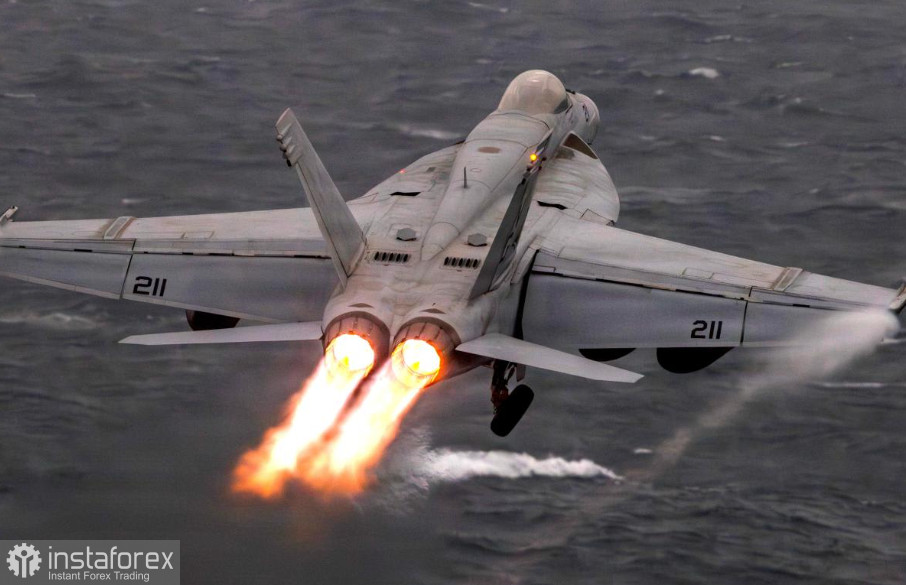
Any illusion that the six-month standoff between Washington and Tehran could be contained to economic pressure evaporated with Tuesday's explosions in southern Iran. While diplomats argued over expired memorandums, US Central Command launched a second wave of strikes on Islamic Revolutionary Guard Corps (IRGC) facilities. The battle for control of the Strait of Hormuz has entered its hottest and most unpredictable phase.
The operation, launched at midday Eastern Time, was a direct response to bold IRGC attacks on commercial vessels and US forces in the region. The trigger was a Marisks advisory: just hours earlier, two supertankers attempting to transit the strait had been struck.
Iranian agencies Nour News and Tasnim reported strikes on the port of Bandar Abbas, Qeshm Island and Chabahar — part of a scenario that began on Sunday. Then, Washington carried out a preemptive strike on missile systems on Larak Island, disrupting Iran's plans to mine the strait. Tehran retaliated overnight with ballistic missiles and drones targeting US airbases in Jordan (including Muwaffaq Salti) and assets in the UAE. Jordanian air defenses intercepted eight missiles, and Emirati forces shot down a drone.
Amid the explosions, political theater continues. Commenting on Sunday's strikes, Donald Trump called them "very limited," then added in his characteristic tone: "We will hit them hard."
He insists the Strait of Hormuz is "in great shape," noting that the US Navy escorts roughly 30 ships there daily. The shipping statistics, however, tell a different story: actual traffic remains well below pre-war levels.
Voices in Tehran are mixed. Speaking at the SCO summit in Bishkek, President Masoud Pezeshkian warned Iran will "reciprocate" if the US violates the June memorandum. Meanwhile, Parliament Speaker Mohammad Bagher Ghalibaf warned that if a US-led naval blockade stops Iran from exporting oil, Iran will use military measures to block all oil shipments through the Persian Gulf.
A reminder is in order: before the war began in late February, about 20% of global crude shipments transited the Strait of Hormuz. The framework agreement painstakingly brokered by Pakistan and Qatar in June has been effectively buried after the 60-day negotiation window lapsed.
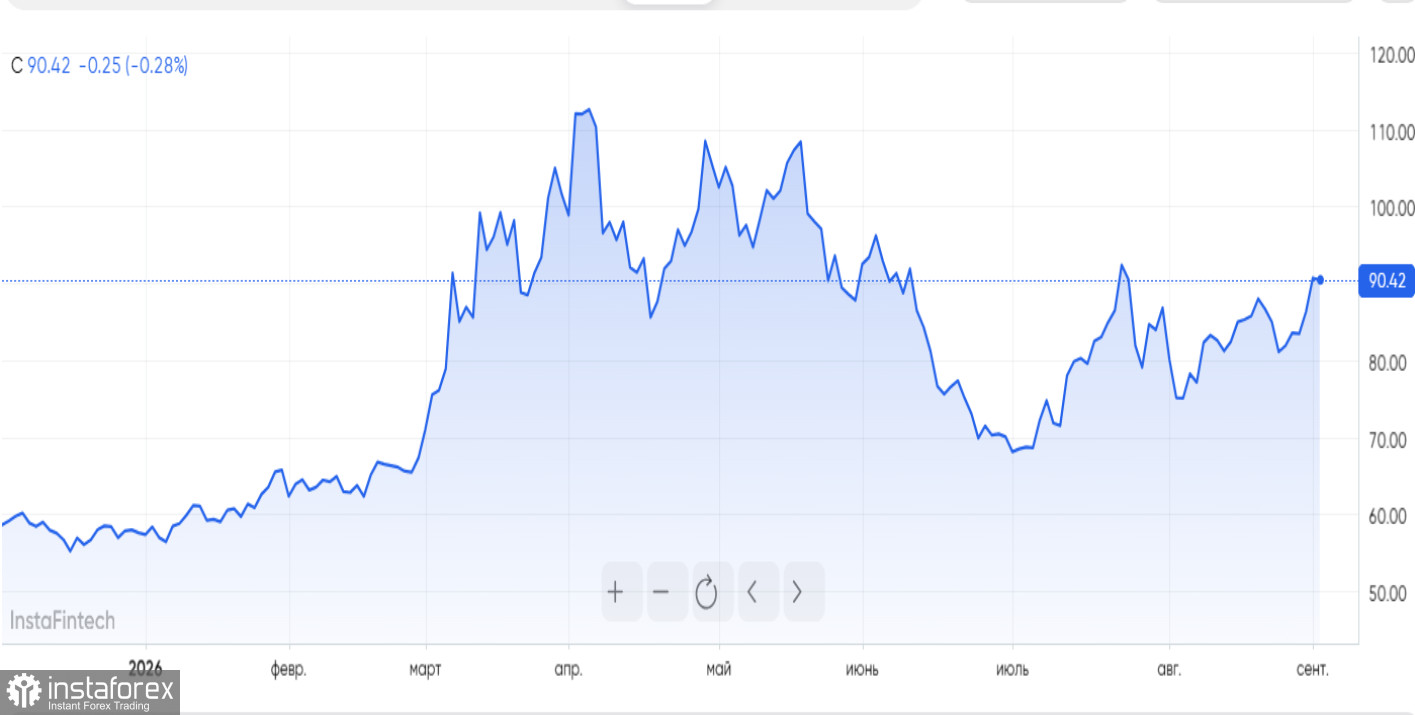
Markets reacted to the resumption of hostilities instantly and painfully. Brent crude jumped above $94 per barrel. The ripple effects hit US consumers: the national retail price for a gallon of regular gasoline rose to $4.09, roughly $0.90 higher than the same period in 2025 (AAA data).
Behind the macro numbers is a human tragedy. The US has reported 18 military fatalities since the conflict began, while Iran cites thousands of military casualties. Neither Washington nor Tehran is willing to concede control of this strategic waterway, and both the human and economic costs continue to reach historic levels.
While politicians tally human and reputational losses, market professionals calculate opportunity. Periods of global turbulence and sharp commodity moves are not only cause for concern — they create windows of significant opportunity for skilled traders.
Sharp moves in commodity markets, currency swings driven by geopolitical risk, and volatility in equity indices call for robust trading tools. All assets discussed here — crude futures, major FX pairs, and global equity indices — are available for trading on the InstaTrade platform.
Grab the chance to profit from global volatility. Open an account on the InstaTrade platform today and download the mobile app to stay on top of world markets and execute trades instantly, wherever you are.
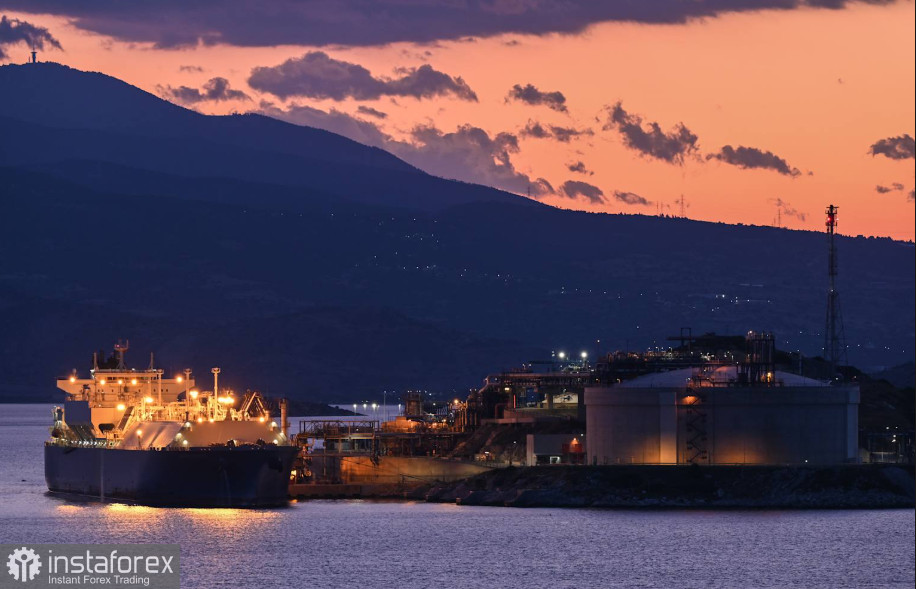
Autumn is settling in, and with it comes a familiar fear across Europe — an energy shortfall. Natural gas prices continue their steady climb: prolonged disruptions to Qatari supplies amid unusually high demand are forcing European countries to scramble to boost reserves ahead of the heating season.
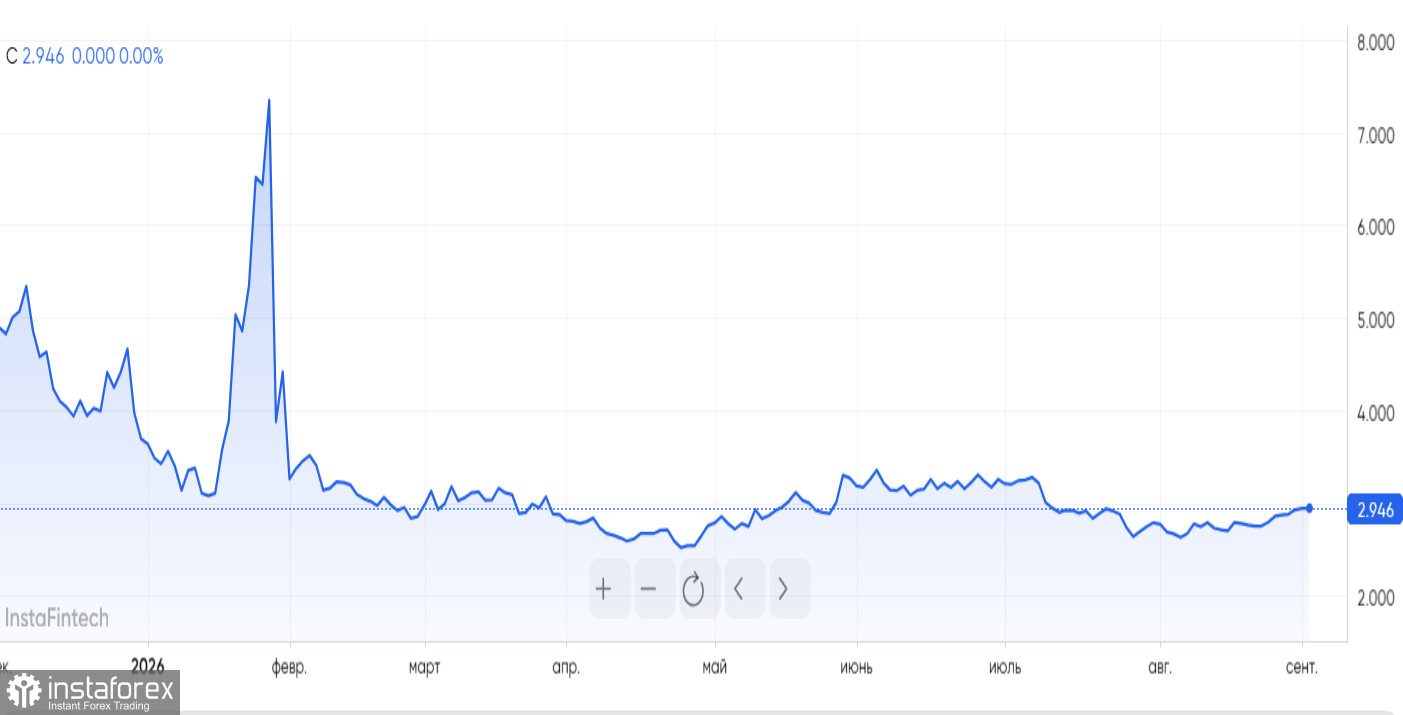
The benchmark TTF index at the Dutch hub rose by 2.4% on Tuesday, settling at €71.52/MWh, according to The Wall Street Journal. But behind the dry exchange figures lies a tense geopolitical and logistical drama.
The main source of Brussels' concern is the Persian Gulf. Citing an ING report, the Journal says QatarEnergy has been forced to extend force-majeure declarations for several European buyers through early November. LNG shipments from the Gulf have been catastrophically reduced.
The root cause traces back to attacks earlier this year that severely damaged the emirate's export infrastructure. Roughly 17% of Qatar's LNG capacity was knocked out — an outage Reuters estimates has cost Doha about $20 billion in annual revenue. The scale of disruption is striking: by mid?summer, at least 21 LNG carriers scheduled to sail to Europe between April and September were taken off course.
Against this backdrop, the global LNG market has become "particularly vulnerable" heading into winter, ING analysts Warren Patterson and Eva Manthey noted — and their pessimism is well founded. European storage levels are only about 65% of capacity, roughly 12 percentage points below the level a year earlier.
To get through winter without shocks, EU energy regulators warned back in July that Europe must sharply increase LNG imports to hit a strategic storage target of 90% — roughly a 13% rise versus 2025 volumes. The dilemma is obvious: where will that gas come from when traditional supply routes are already strained and alternative sources are limited? For now, that question remains unanswered.
Last August proved to be a watershed for digital assets. While the general public enjoyed the late?summer heat, a new army of crypto millionaires was quietly forming. The driver wasn't just technical momentum — it was a macroeconomic story set in motion inside the US Treasury.
The ranks of crypto millionaires have been swelling at a speed that must alarm skeptics. According to Finbold analysts using BitInfoCharts data, the number of Bitcoin wallets holding more than $1 million jumped by 10.4% in August alone. The elite club gained 11,636 new addresses, rising from 111,846 at the end of July to 123,482 by August 31.
The top tier felt the change even more: addresses holding more than $10 million increased by 11.24% (from 14,009 to 15,584). To be fair, one person may control multiple wallets for diversification and security, so address counts do not map one-to-one to individual holders. Still, the trend is striking.
The primary catalyst for this accumulation of wealth was the strongest summer rally in nearly two years. In less than two weeks, Bitcoin took off, climbing from just above $60,000 at the start of the month to the coveted $80,000 by month-end, marking a gain of roughly 30%.
So what was the driving force? The answer lies in macro policy. On August 19, US Treasury Secretary Scott Bessent announced an unprecedented step: the government will at least double its purchases of long-term Treasuries. From September 9 through November 4, operations will rise from $2 billion to $4 billion.
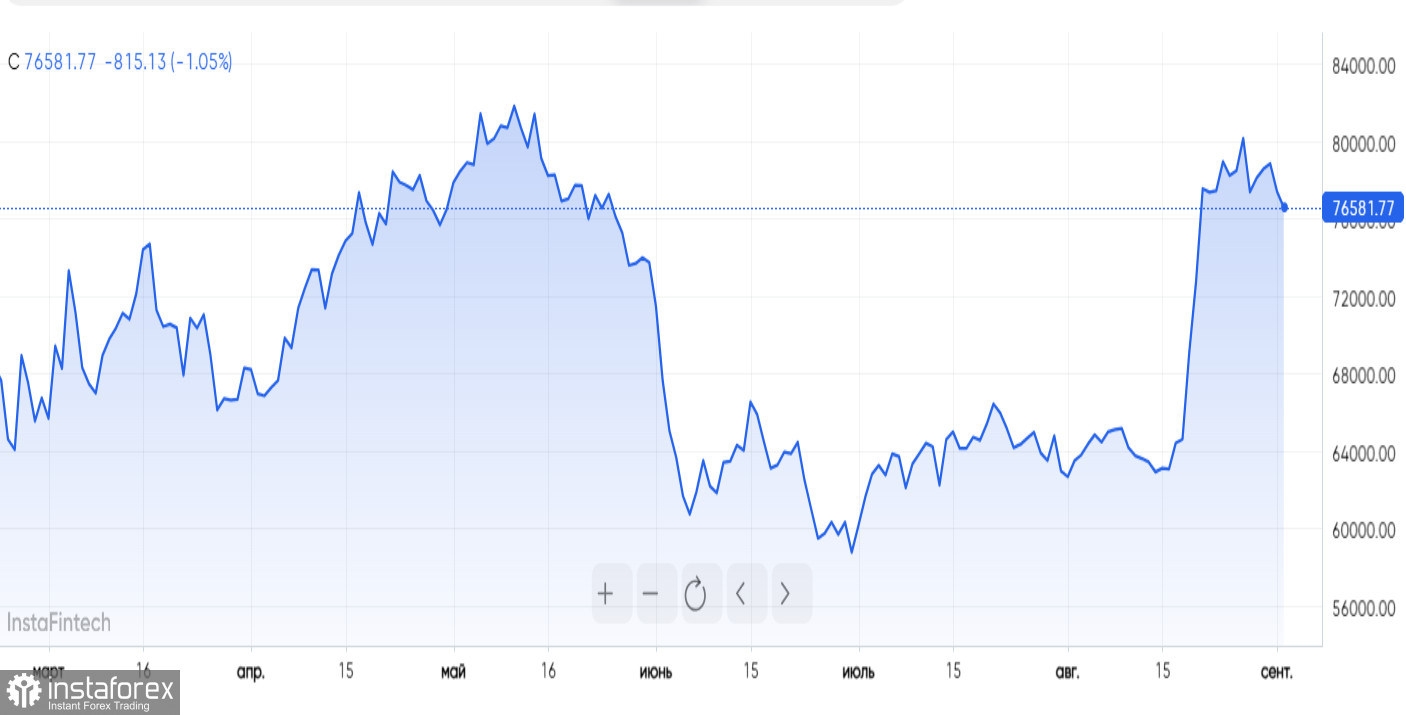
According to Reuters, this was an emergency move to support liquidity in 10–to-30-year Treasuries amid mounting market turbulence. The next day, Bessent signaled the administration might take even more aggressive measures.
Markets read that signal instantly. Traders deployed what is known as the "debasement trade." The logic is straightforward: if the government aggressively expands its balance sheet and effectively monetizes debt, fiat currency purchasing power is likely to erode. Capital therefore flows into hard assets, notably gold and Bitcoin.
That macro shift created ideal conditions for an explosive rally. Once Bitcoin decisively cleared the $70,000 psychological level, the futures market turned brutal for short sellers: leveraged shorts were liquidated on a record ~$4.5 billion wipeout.
Short-seller panic quickly gave way to institutional greed. Spot Bitcoin ETFs pulled in about $2 billion of net inflows across five trading sessions, reinforcing Bitcoin's emerging role as a primary defensive asset in the new macro regime.
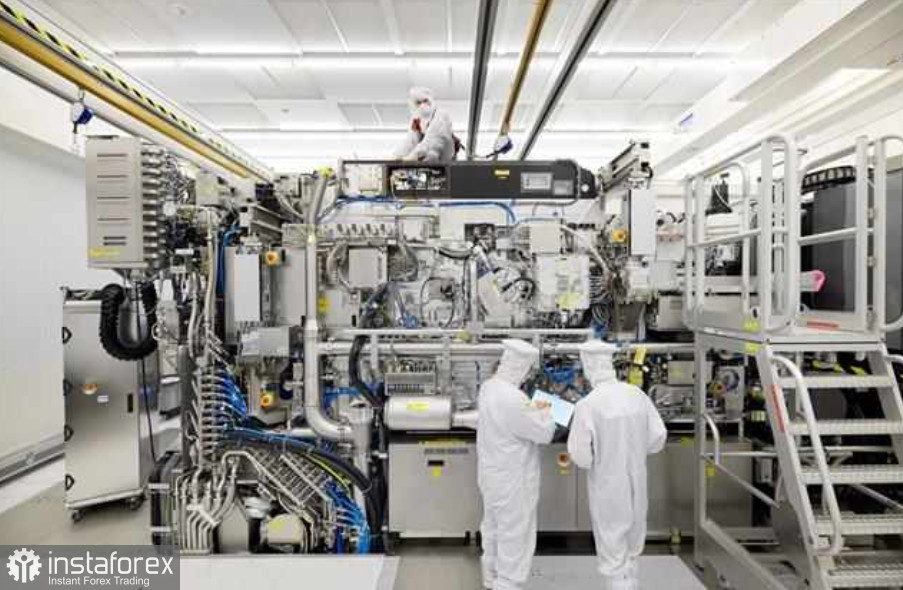
The era when artificial intelligence was just a collection of algorithms is fading. At SEMICON Taiwan 2026 this week, semiconductor giant TSMC unveiled an ambitious roadmap that promises to reshape our expectations for compute power.
TSMC says that by 2029, its advanced packaging technologies, SoIC and CoWoS, will deliver an extraordinary 50-fold increase in system performance versus 2024 levels. That positions TSMC not merely as a product upgrader but as an architect of what the company calls the "true industrialization of AI."
Speaking at the IC Forum, April Lee, TSMC's head of AI and high-performance computing business development, quoted figures that took industry analysts by surprise.
She said demand for AI compute is rising by roughly 500% year over year. This insatiable appetite from neural networks is putting unprecedented strain on the global semiconductor supply chain.
However, producing ever-more-powerful chips alone will not be enough. Lee outlined a new direction: the future of AI infrastructure is not a race focused on individual chips or models but on deep systems integration. Compute, memory, interconnects, storage, and power management must operate as a single organism, from the die to the server rack and across the whole data center.
According to Lee, in this new era, market leaders will not be those who merely build the best models but those who build the most integrated systems.
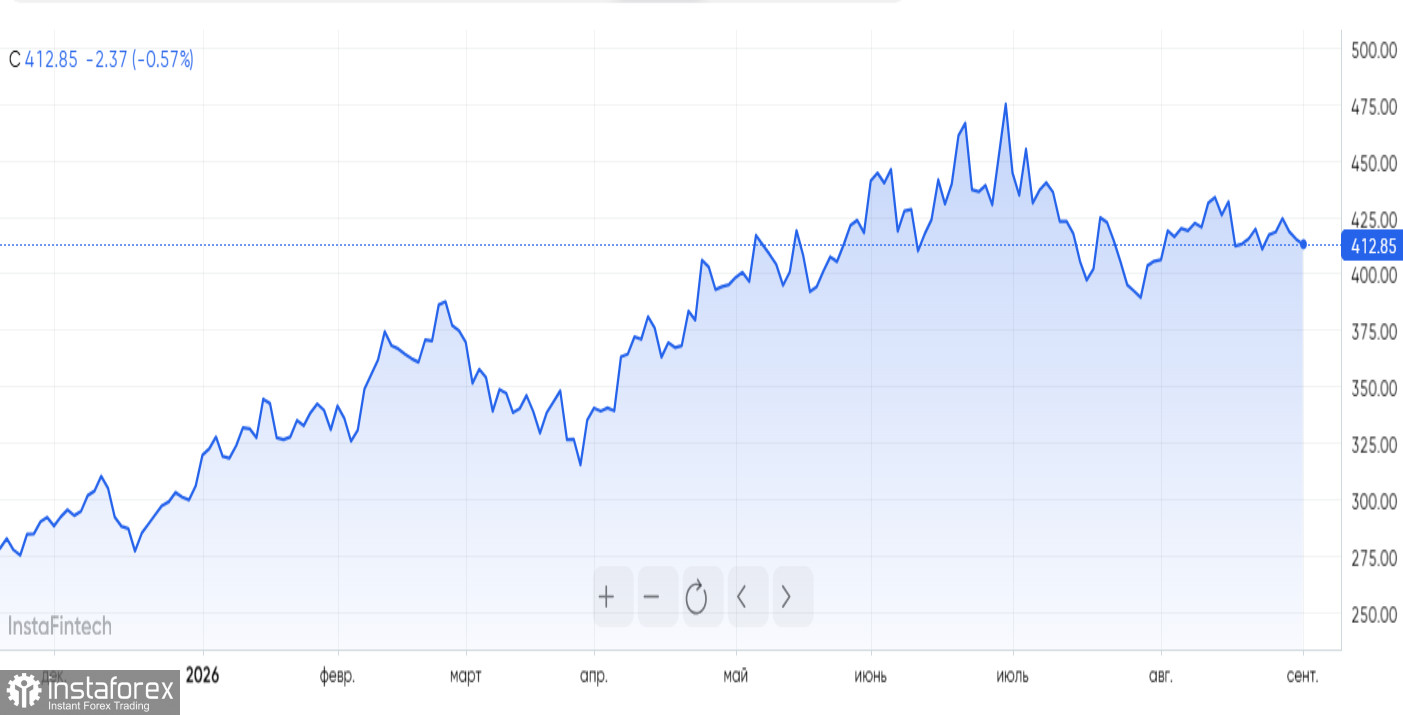
The primary driver of this technological boom, she said, is the explosive growth in inference — the run-time process where trained models generate responses. Since 2022, global inference token volumes have jumped almost 500x. Agent-based AI systems exacerbate the trend, consuming multiples more tokens than ordinary user queries.
The industry faces a notable paradox: data movement within systems can account for up to 60% of total activity, leaving expensive AI accelerators underutilized. Under typical workloads, real accelerator utilization often barely exceeds 40%, with the remaining time lost waiting for data to arrive.
TSMC's advanced packaging, enabling tighter, lower-latency integration across chips and modules, aims to solve that bottleneck. Seamless, integrated systems enabled by SoIC and CoWoS will be the key trigger for the next wave of technological evolution.
This race among tech giants is as much a financial marathon as an engineering one. The semiconductor sector and companies providing infrastructure for the AI revolution are forming some of the hottest market trends today.
All related trading instruments tied to this technological expansion are available on the InstaTrade platform.
Grab the chance to benefit from the AI industrialization wave: open an account on the InstaTrade platform now, download the company's fast and convenient mobile app, and stay on top of the most profitable market moves.

