
See also


 02.09.2026 10:05 AM
Today, Bank of Japan Governor Kazuo Ueda indicated that a rate increase is likely as early as the September 17–18 meeting, saying the central bank will make its decision with an eye on upside price risks. The yen strengthened against the dollar in response, trading around 159.60 per dollar, although it remains near weak levels after surrendering much of the gain generated by the historic coordinated intervention by Japan and the United States on July 31.
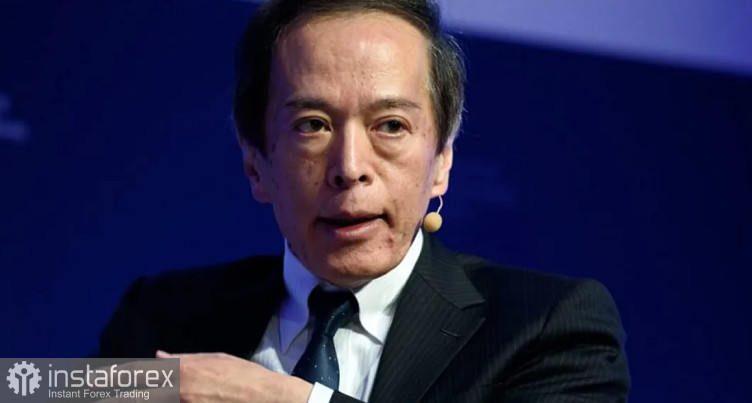
Ueda's wording, delivered after a meeting of finance ministers and central bank governors, was unusually clear by Japanese standards. "From the perspective of conducting policy with a risk-management approach as the underlying inflation rate approaches 2%, we have come to believe that we need to pay greater attention than before to upside risks in our policy conduct," Ueda said. Notably, the BOJ chief did not push back against market expectations, and overnight swaps now fully price a September move.
It is worth noting that Ueda has been especially careful with communication since criticism of the July 2024 rate increase, which caught some traders off guard and contributed to global market volatility. Declining to comment on market positioning, he said economic data is consistent with the central bank's view and that the price trend is very close to the 2% target. "I think the economic data have been broadly in line with the economic outlook presented in the July Outlook Report and with the picture I described at the press conference," he said, adding that the central bank's underlying thinking on future monetary policy has not changed materially.
External pressure on the BOJ also deserves attention. US Treasury Secretary Scott Bessent yesterday stepped up calls for appropriate action by the Japanese central bank and at a meeting with Ueda on Sunday emphasized the importance of sound monetary policy formation and communication in order to anchor inflation expectations and avoid excessive currency volatility. Ueda declined to comment on the details of the conversation.
At the same time, developments in the bond market have forced Japanese officials to calm investors. The yield on benchmark 10-year Japanese government bonds reached 3% on Tuesday, the highest in three decades. However, Finance Minister Satsuki Katayama said no one had expressed concern about the state of Japan's finances, while Ueda described the rise in yields as part of a global trend.
Recent economic data, overall, supports the case for another increase. A key inflation indicator has started to accelerate and, according to forecasts, will return to 3% by the beginning of next year. Record corporate profits in the latest quarter reduce concerns that higher oil and raw material costs will limit companies' ability to continue raising wages, and that remains a crucial element of the BOJ's case for sustainable inflation. It is worth noting that a September move would mark the fastest follow-up rate increase of Ueda's tenure, breaking the roughly six-month intervals that have so far defined the normalization cycle.


